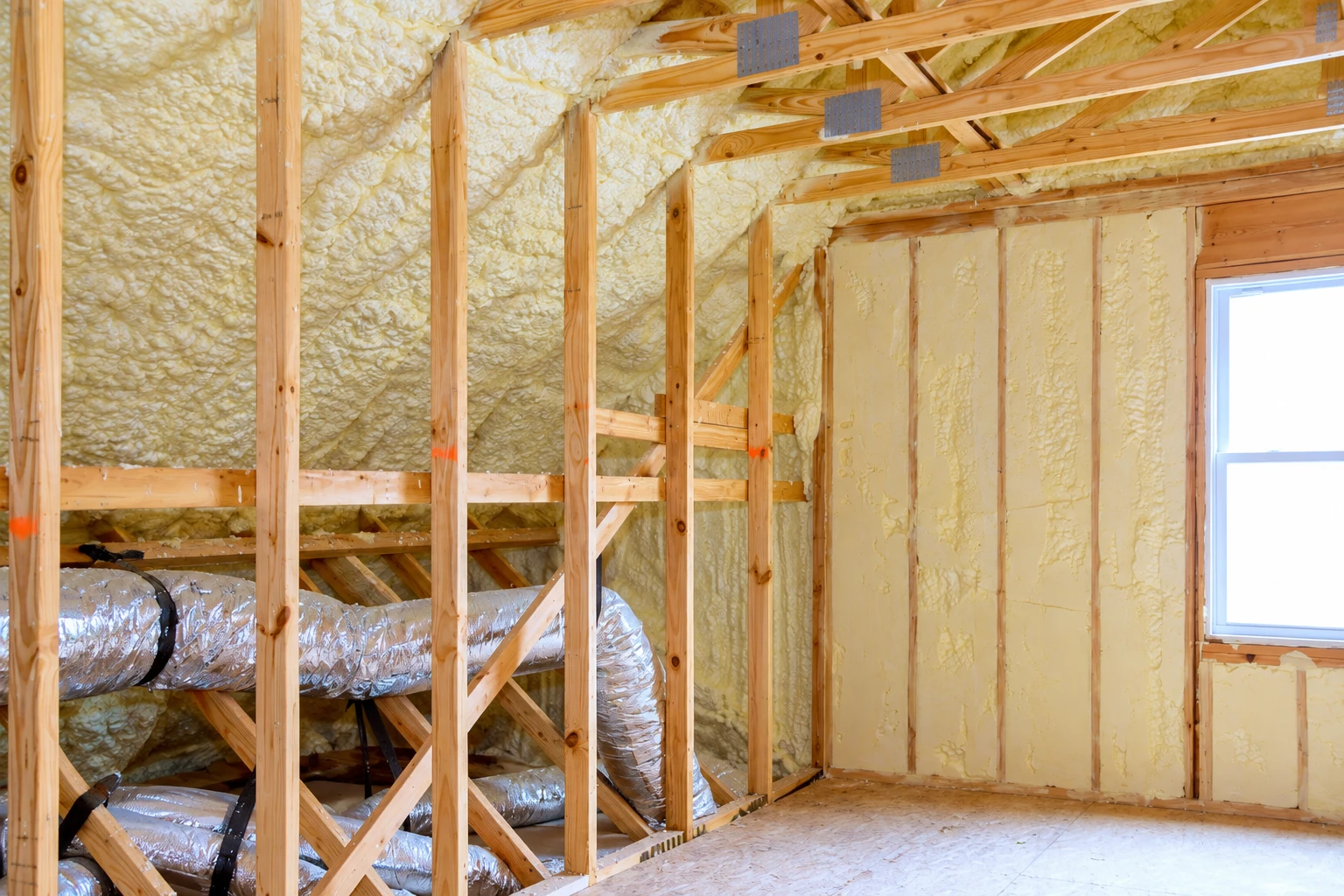
Blown-in insulation in Compton CA - an attic covered evenly out to the edges
Hot upstairs rooms and a climbing power bill usually trace back to a thin, leaky attic. We seal it, then fill it evenly.
Is blown-in insulation right for my attic?
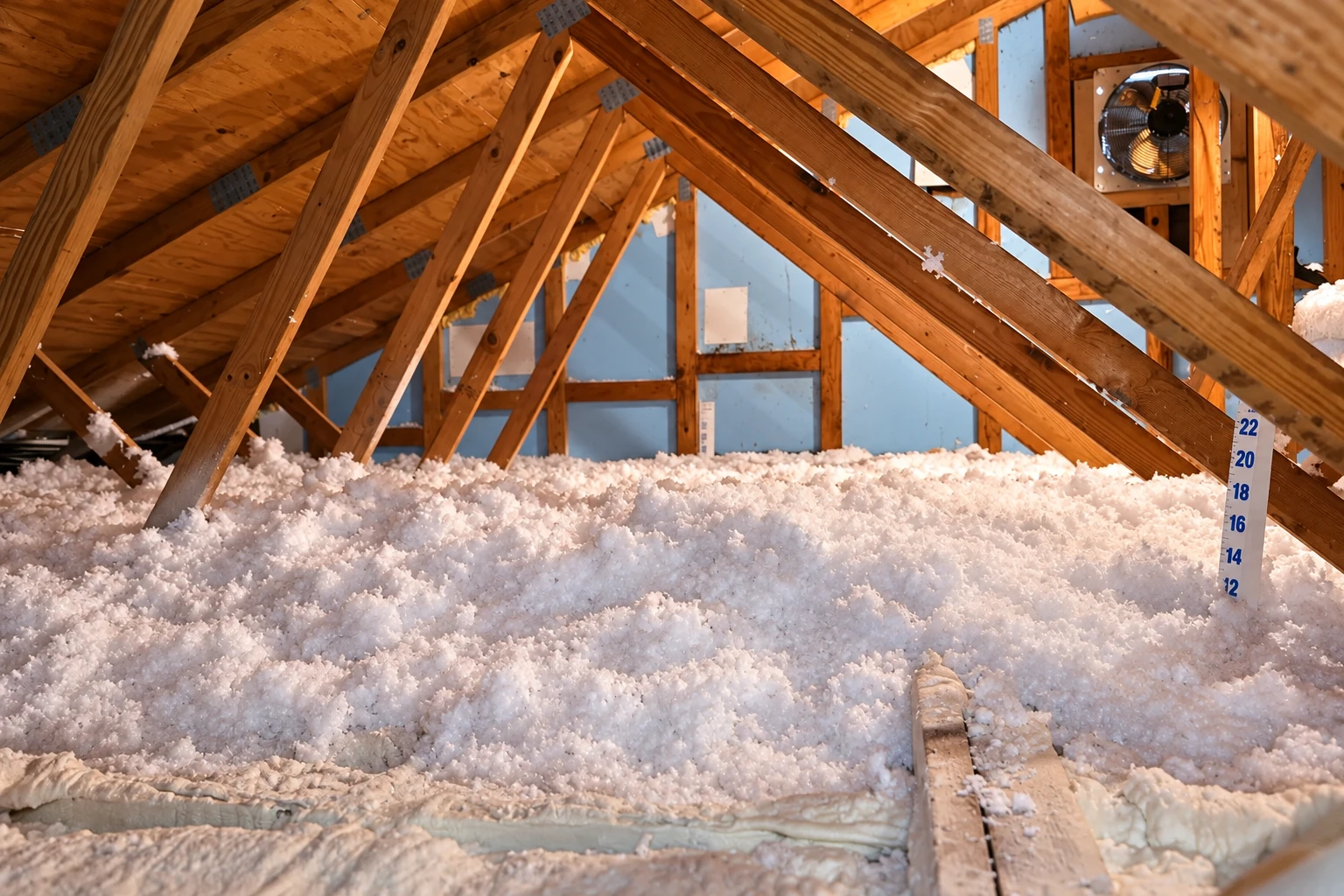
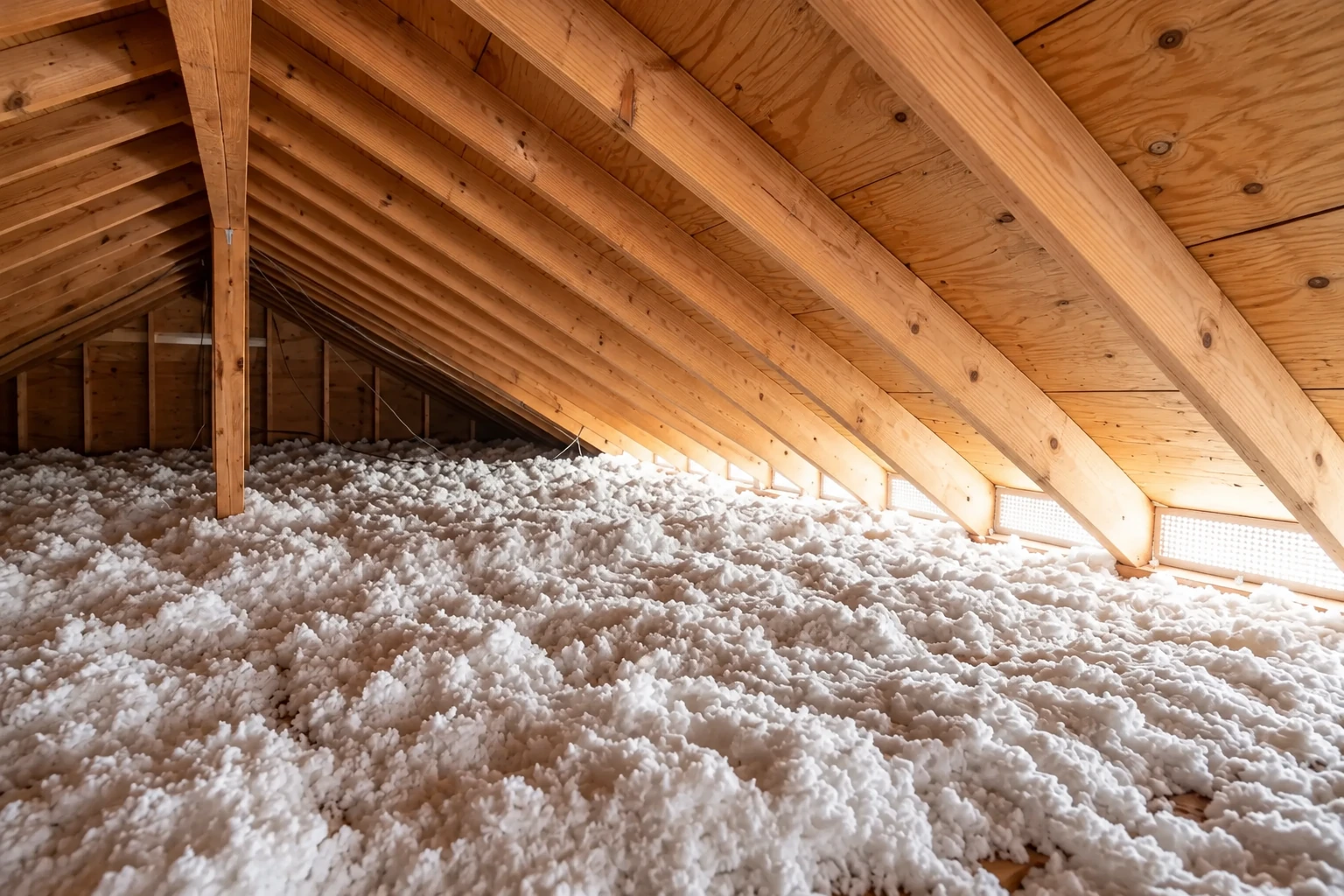
Blown-in insulation is loose fiberglass, rock wool or cellulose that we blow through a hose over the ceiling of your attic. In a Compton house with a vented attic, it can help the rooms below hold their temperature, and on most houses it's the simplest way to get an even layer over the whole ceiling.
Most people call us because upstairs runs hot, the room over the garage never cools down or the power bill keeps going up. The price moves with the size of the attic, how many inches are already up there, how much attic air sealing the ceiling needs and whether anything has to be fixed before we start. The schedule turns on the same things, plus a permit if your job needs one, and for your own number I'll come look at the attic and write it up.
How we do blown-in insulation
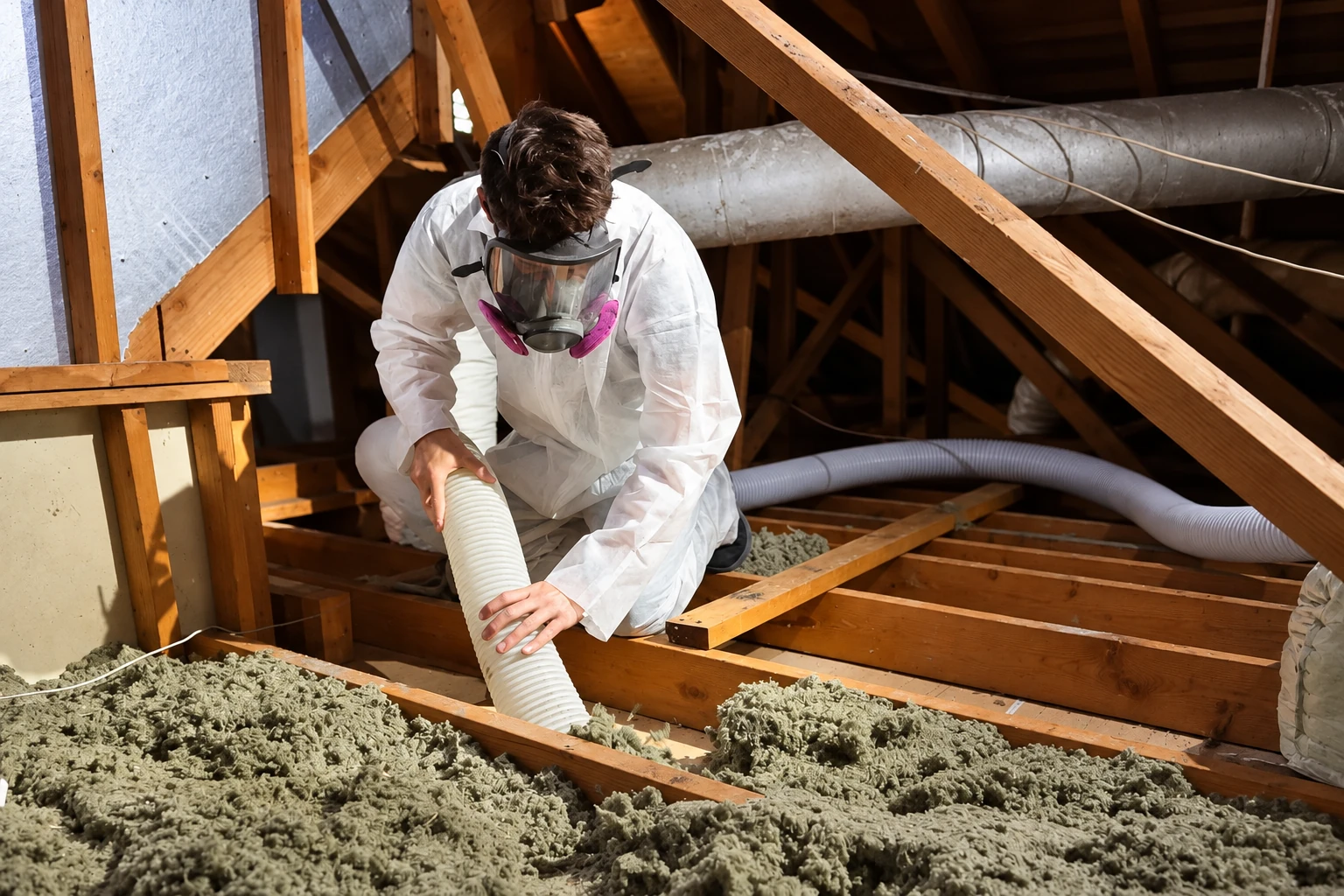
We start at the ceiling, because the insulation goes in after the air sealing, not before. That means closing the gaps around can lights, pipes, wires and the attic hatch, so warm air isn't sneaking up through the new layer all day. Next we set baffles at the eaves, which are short channels that keep air coming in from the vents and stop the fill from spilling into them, because a buried eave vent can't let the attic breathe and moisture ends up in the wood. Then we blow the loose fill in and keep it level all the way out to the top of the outside walls, since the usual mistake is a deep pile in the middle and a thin strip at the edges right where the heat comes in. When we're done, we clean up the path to the hatch.
If the walls, floors or crawl space are part of the problem too, we can look at the whole house as one job under home insulation. If what's in the attic now is soaked, matted down or full of droppings, we won't blow over it, because new material on a bad layer keeps the problem, so we'll talk about insulation removal first.
Topping up a sound layer
If the old insulation is dry and clean, we seal the ceiling and blow fresh fill on top to bring the whole attic level. For most houses that's the better spend, and it's the job I end up recommending most.
Spray foam when ducts are up there
Foam costs more, but it seals air and insulates in one step, which earns its keep when your ductwork runs through the attic. If the ducts live somewhere else, sealing and topping up usually gets you more for the money, and we cover the foam side under spray foam insulation.
Blown-in insulation in Compton: permits, code and attics
If your blown-in job needs a permit, I'll tell you at the estimate, and we handle the paperwork with the city or county office for you. In Compton that's the city's Building & Safety Department, which takes permit applications in person only and requires a current City of Compton Business License on every one. City Hall is open Monday through Thursday and closed every Friday, so a permit trip can push a start date. The level we blow to also has to answer to California's Energy Code, which sets efficiency rules for work on existing houses and ties some of them to the climate zone a house sits in, so I set the target for your house instead of using one number for every job.
We're based in Compton and work in the cities around it, plus the nearby unincorporated areas the county looks after. A lot of the attics we open around here are low and tight, with a thin, older layer of fill and can lights added over the years, and we see the same kind of attics on jobs in Lynwood and Paramount. That's why we spend our time at the hatch and around the lights before the hose ever comes up.
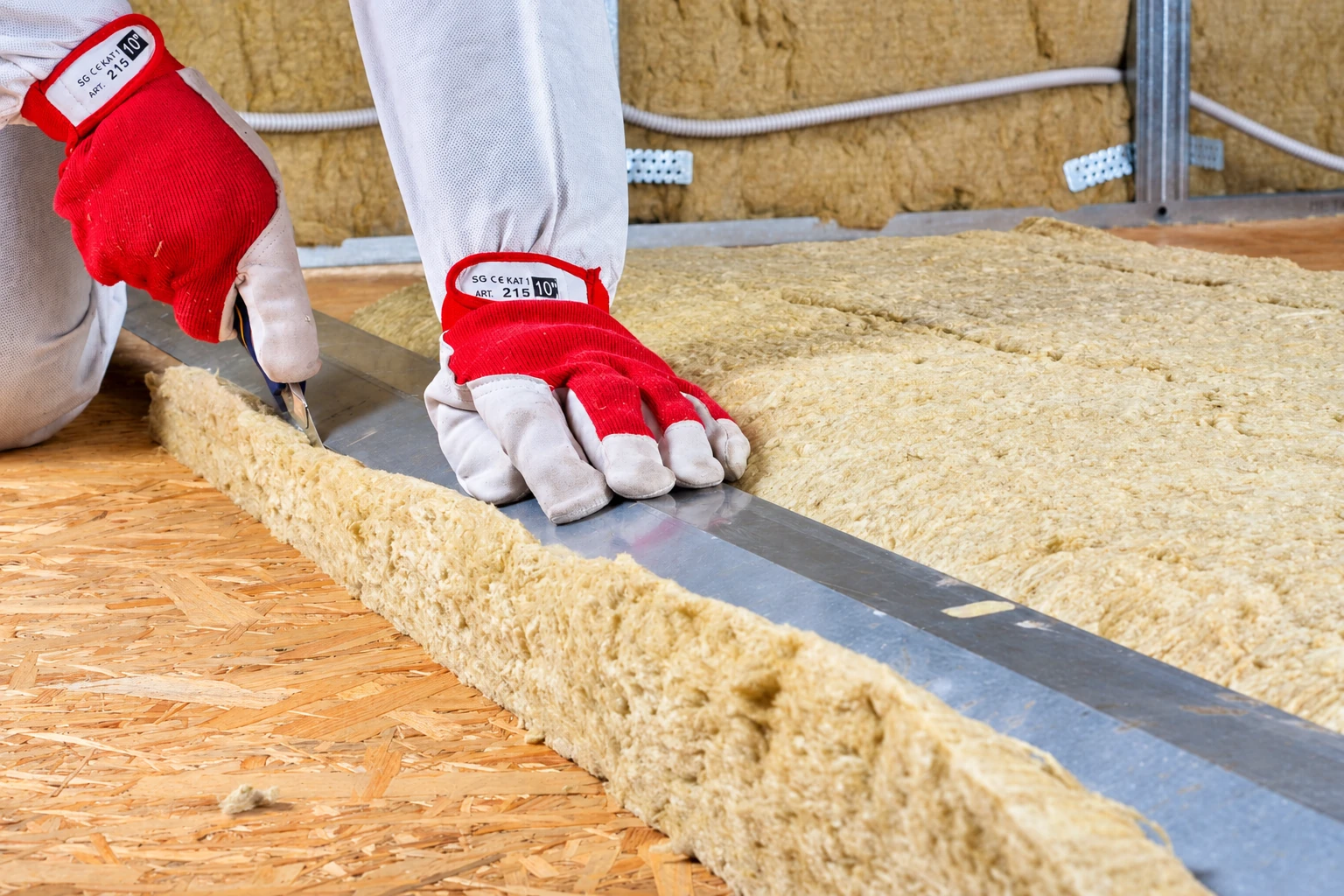
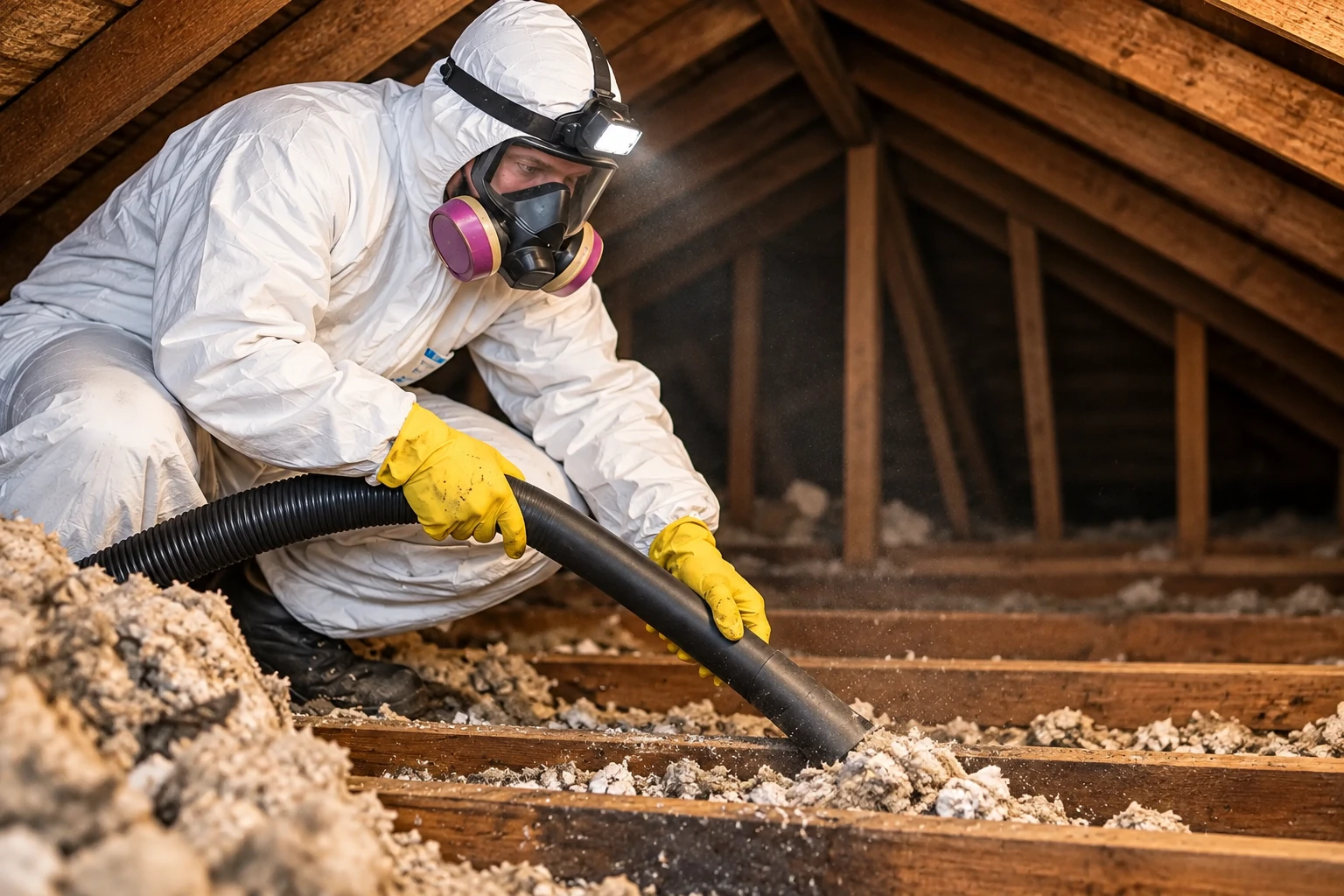
Blown-in attic work up close
Why call us for blown-in insulation
I write every estimate myself
I come out, look at your attic and write the estimate myself, then our trained crew does the install and I check the work before we call it finished. You're dealing with the same person from the first look to the last check.
In business since 2013
We've been doing this work since 2013, and attic work is what we're best known for, with the sealing and insulating done in the right order. That order is what keeps a fresh layer from fighting a draft it was never meant to stop.
Licensed and fully insured
California's contractor license board counts installing any insulating material for temperature or sound control as insulation contracting, and we're licensed and fully insured for it. It's fair to ask anyone who quotes your attic about their license before they start.
On this job the order matters most, so the sealing and baffles go in before any fill does. Send us a few details or call (562) 232-8636, and I'll come take a look.
(562) 232-8636Get an estimate for blown-in insulation in your attic
We reply within one business day to set a time that works for you. I come out, look at your attic and go over what I found with you, and the estimate is free with no obligation.
Blown-in insulation questions from Compton
What is the best way to insulate an attic, blown-in or batts?
For most attics, blown-in is the better pick. Older federal guidance says blowing loose fill usually costs less than laying batts and gives better coverage, though install costs can vary. I'll tell you at the estimate which one fits your attic and why.
How much does blown-in attic insulation cost in the Los Angeles area?
Attic insulation in the Los Angeles area usually costs about $1,600 to $5,300 per job. That's the going range around the region, not our price, and where your house lands depends on what I find up there. Call (562) 232-8636 and I'll give you a figure for your Compton house when I come out.
Can blown-in insulation go over recessed can lights in my ceiling?
Only if they're IC-rated. Older federal guidance says to use only IC-rated recessed lights, because they're airtight and made to be covered with insulation. I check your can lights at the estimate, and if any aren't rated for it, we talk about your options before the attic gets filled.
How do I know how much insulation my attic needs?
Start with what's up there now. The level you end up with should meet or beat what current building code calls for, so ask every installer what level they plan to reach. I measure the inches you already have and tell you where we'll bring it, and since one federal checklist has a certificate posted by the attic hatch when the job's done, it's fair to ask for one.
Do I have to leave the house while you blow in attic insulation?
Usually not, because the work happens up in the attic and the hose runs in from outside. We cover the path to the hatch to keep dust out of your rooms, and if anything about your job means keeping kids or pets out of a room for a while, I'll tell you at the estimate.
Can blown-in insulation go in walls, or only in the attic?
It works in walls too. Federal guidance lists blown-in fiberglass or cellulose as a wall option alongside batts and spray foam. If your walls are part of the problem, we handle that under wall insulation, and I can look at them on the same visit.
Talk to us about blown-in insulation for your attic
Call (562) 232-8636 with your address, a rough attic size and a note on any can lights, and the first call covers more ground.