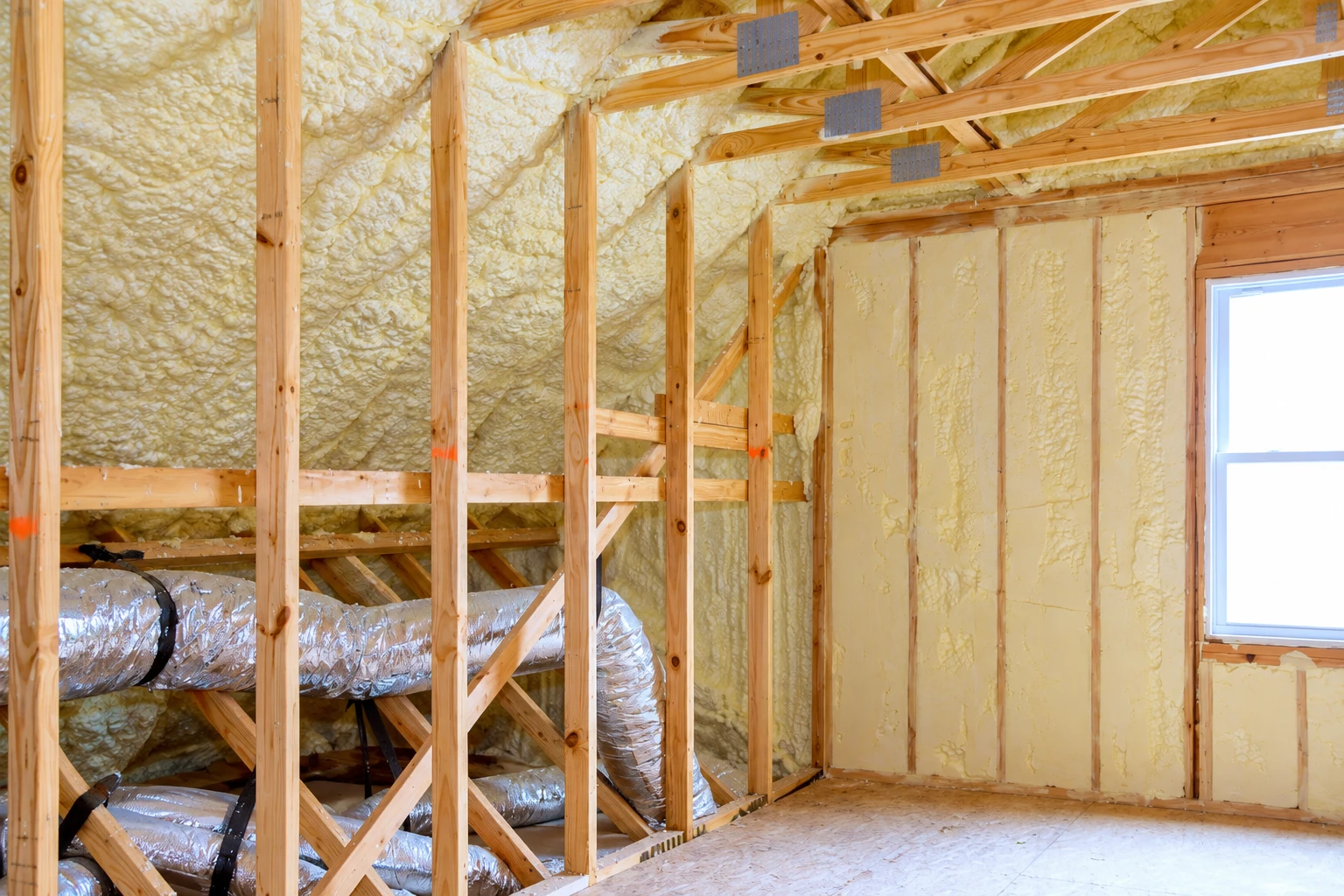
Basement insulation in Compton CA - dry walls first, then a warmer room
Basement feels cold or smells damp? We sort out the water first, then insulate the walls so the room stays comfortable.
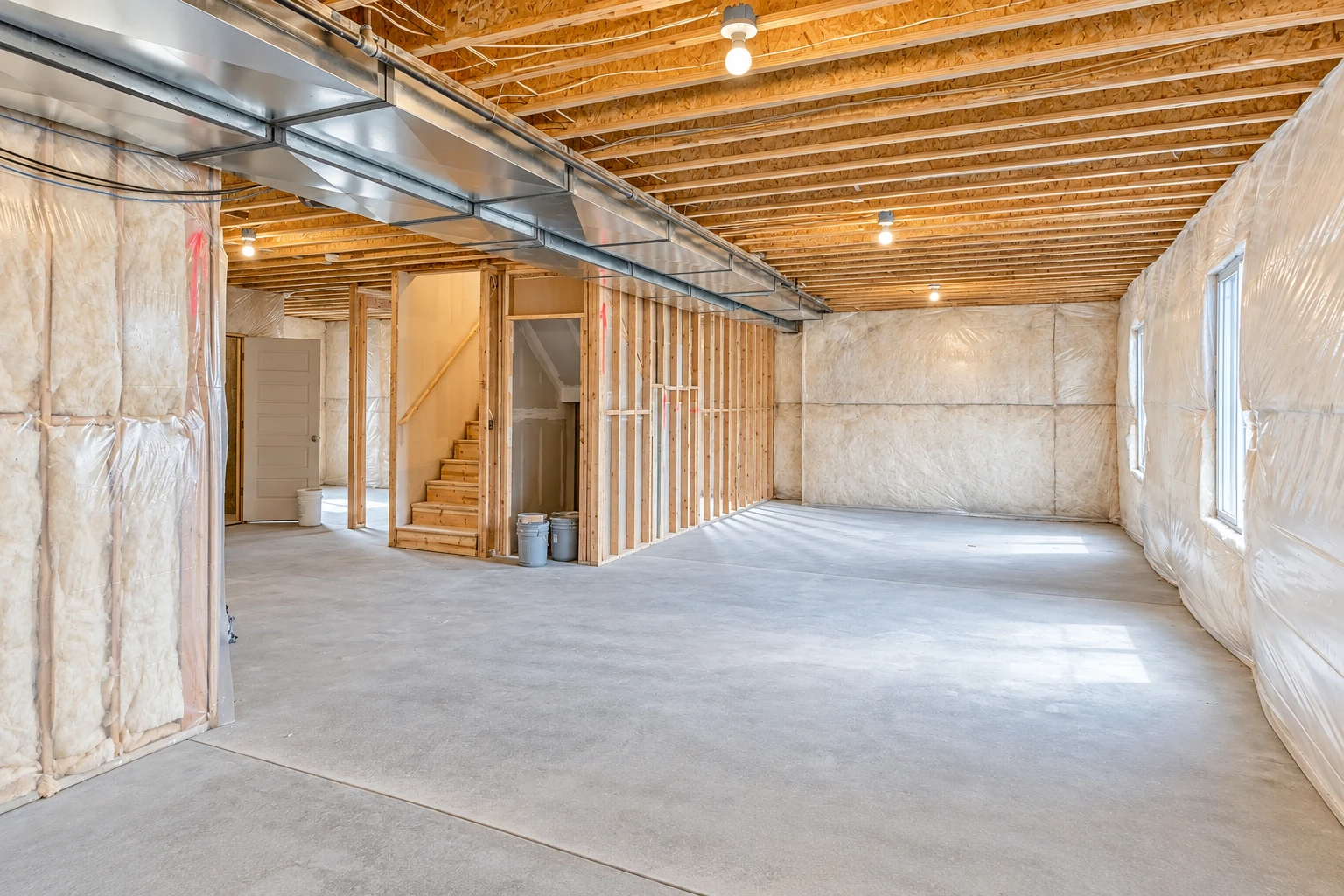
How do you insulate basement walls without trapping moisture?
Basement insulation in Compton means adding insulation to your basement walls so the room holds a steadier temperature and the floor above stops feeling cold. It works best when the walls are dry and the air gaps are sealed first, and once the walls are ready it's usually a short job.
Most basement calls start with a cold floor upstairs, a musty smell or a room nobody wants to use for more than storage. Before I talk about materials, I want to know where the water's going, because that decides most of the job. The price mostly turns on how much wall there is, whether the walls need water work first and which material fits, and the schedule turns on that same water question plus how much has to be moved out of the way. At the estimate I look at the space and go over what I found with you before you decide anything.
How our basement insulation work goes
I start by checking the walls for stains, white crust, damp spots and cracks, because water comes first in a basement. If your walls get wet, we hold off on insulation until that's fixed, since nobody wants to tear new insulation out later. Once the walls are dry, our crew clears the space and does air sealing, closing the gaps around pipes, wires and the top of the wall where the framing sits, so the insulation isn't fighting a draft. Then we put up a material that can live with some damp and clean up when we're done.
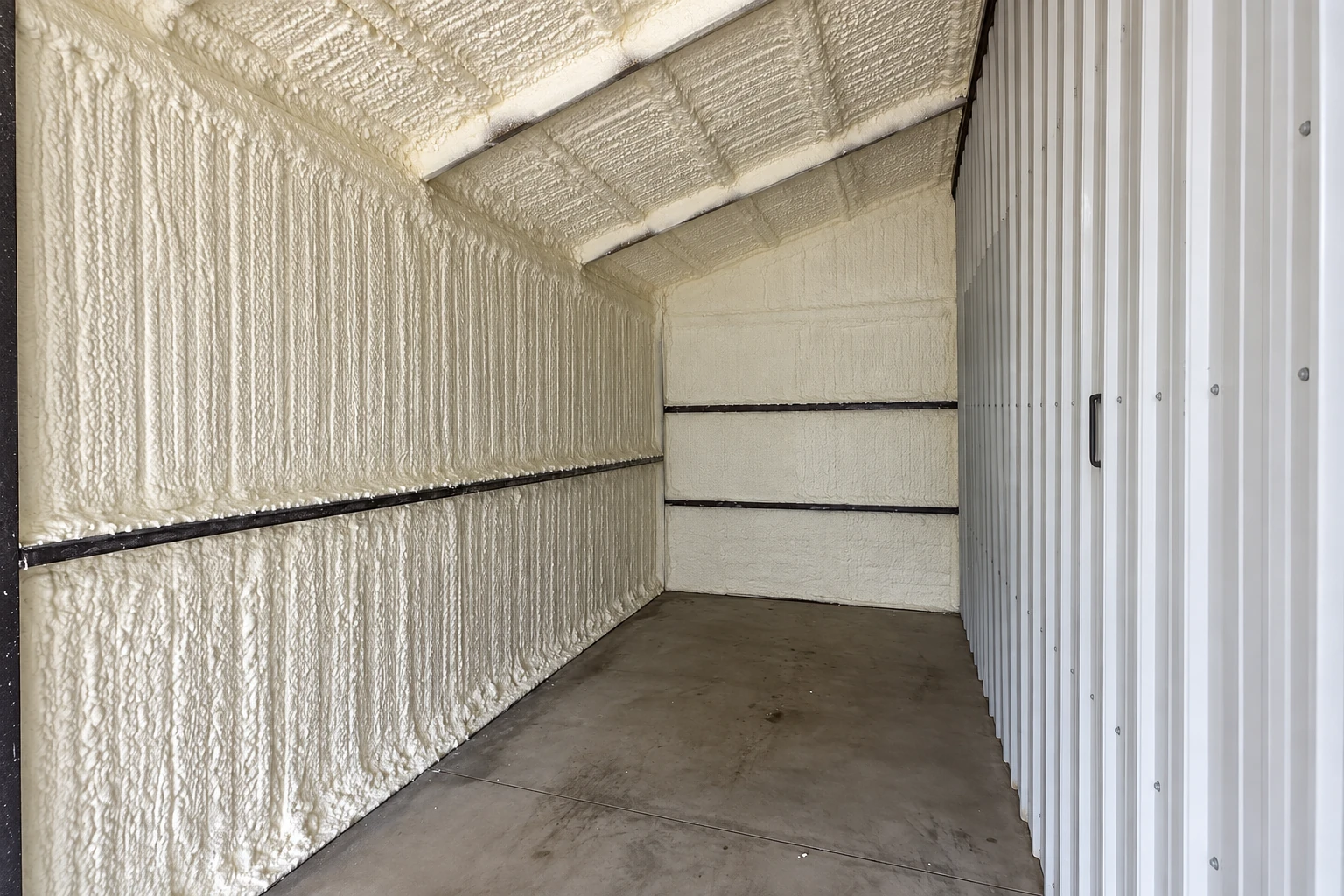
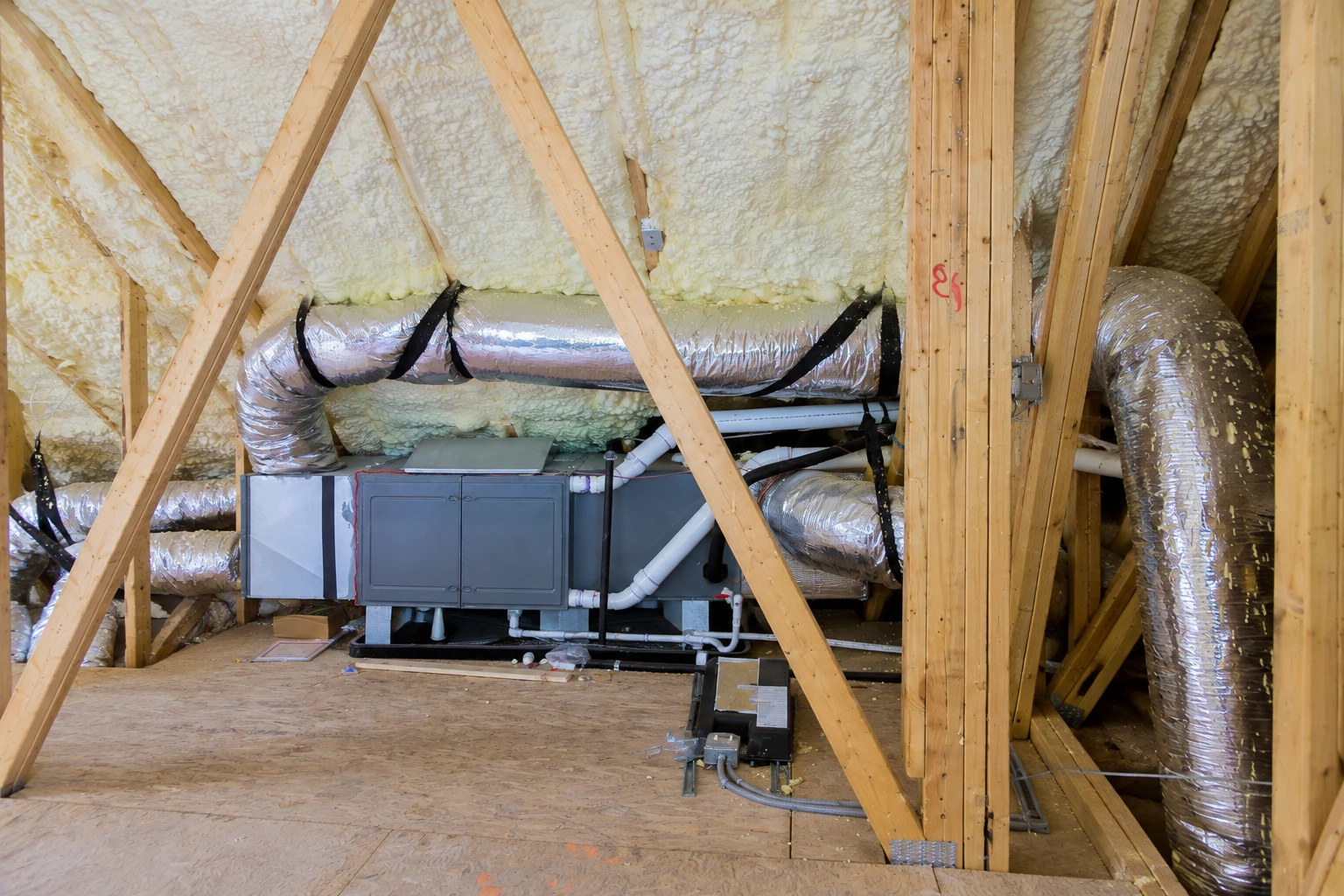
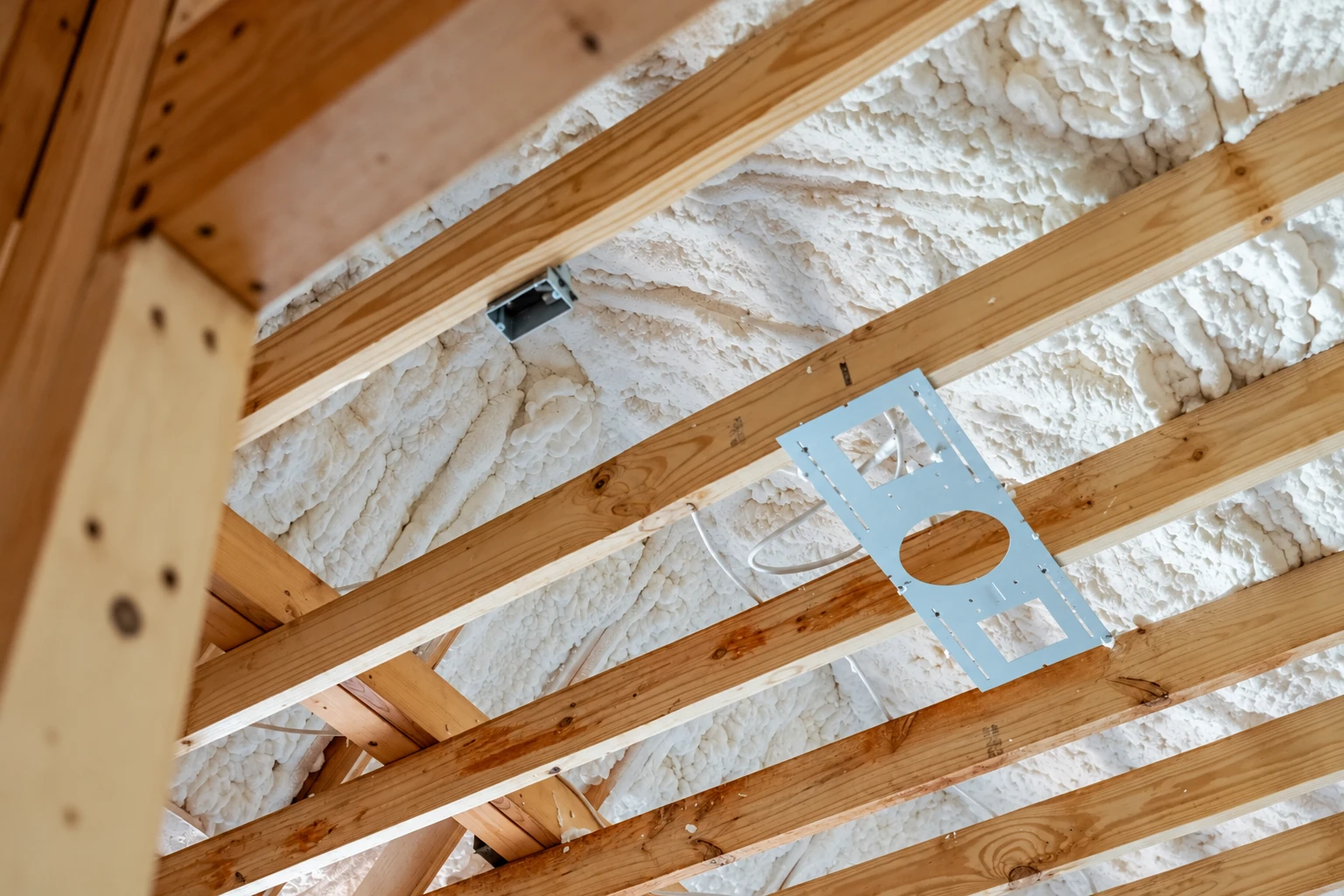
On walls that see any damp, we usually spray closed-cell foam insulation, a dense foam that stops moisture as well as heat. Open-cell foam insulation is lighter and softer, and it's a good fit for the basement ceiling when you mostly want a warmer, quieter floor upstairs.
Spray foam on the walls
This suits basements with rough or uneven walls and lots of pipes and gaps, because the foam fills every crack and seals air while it insulates. It costs more than board, and you'll need to be out of the house for a while after we spray.
Foam board on the walls
This suits flat, dry walls in a basement you plan to finish into a room, since the sheets give a flat surface to build over. It usually costs less than spray foam, but it takes more care at every edge and corner to do right.
What to know about basement insulation in Compton
In Compton, the city only takes permit applications from someone holding a current City of Compton business license, which you can see on the city's permit page. Whether a basement job like yours needs a permit isn't something I'd guess at, so I tell you at the estimate, and if it does, we handle the paperwork with the city or county office for you. The state's energy code also sets some standards by climate zone, so I plan your job to the standards for the zone your house sits in.
The basements we see around here are usually in older houses, and plenty have years of paint or plastic on the walls. Plastic sheeting, foil or vinyl wallpaper and oil or epoxy paint on the inside of a basement wall trap moisture, so ask any crew what finish goes over the insulation before work starts. We're based in Compton and work in the cities around it, like Lynwood and Paramount, plus the nearby unincorporated areas the county looks after.
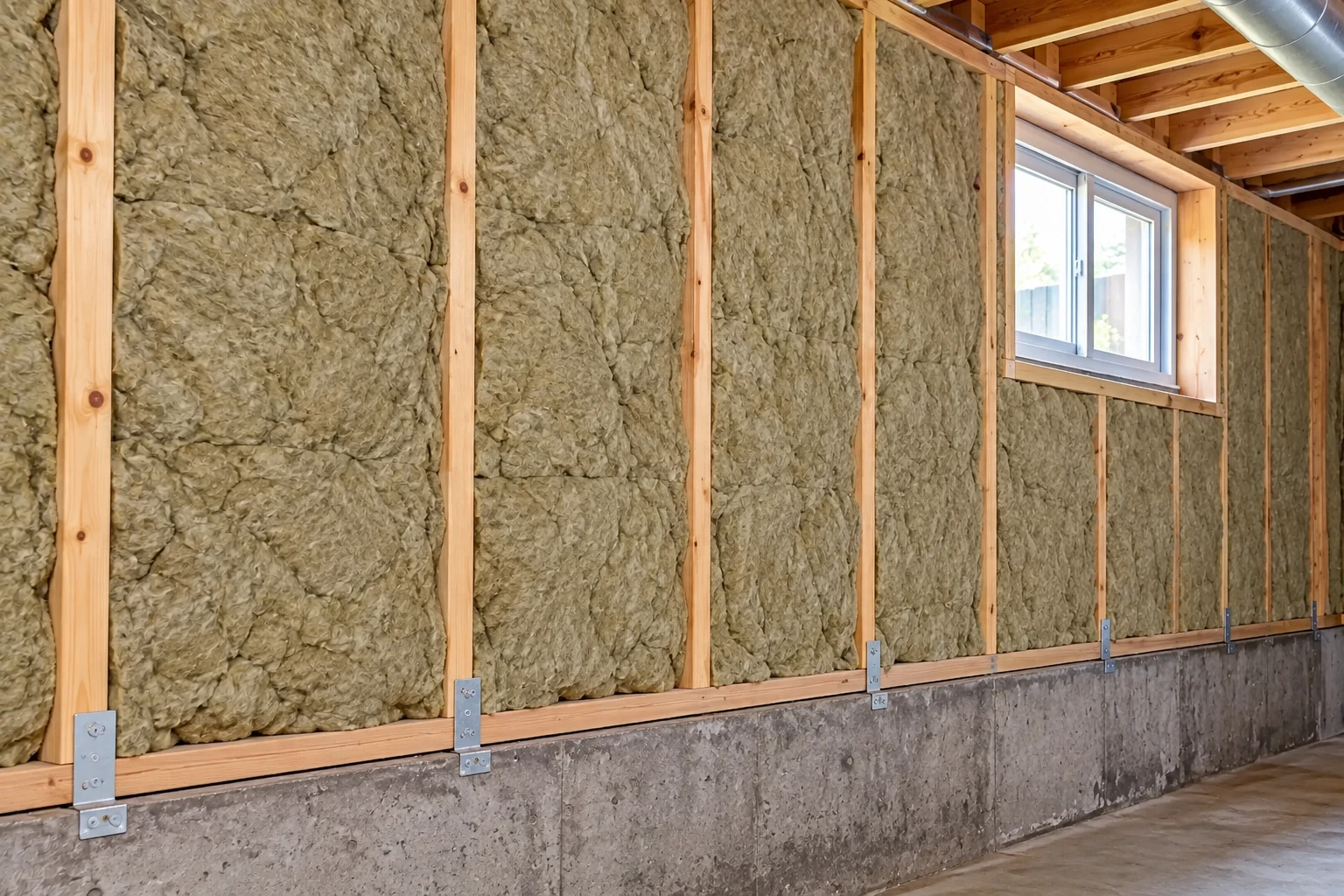
Foam and board insulation up close
Why call us for basement insulation
I write your estimate myself
I come out to look at your walls and write the estimate, and our trained crew does the install. I check the work before we call it finished, so the person who looked at your basement is the one who signs off on it.
Licensed and fully insured crew
We're licensed and fully insured. California's Contractors State License Board counts installing insulation for heat or sound control as insulation contracting, so it's fair to ask any crew you're comparing about theirs.
In business since 2013
I started this company in 2013, right here in Compton, after years of driving a delivery truck around these same cities. I learned this trade as a grown man and still remember not knowing what was behind my own walls, so you'll get a plain answer about yours.
On a basement, the water question decides everything else, and every job is backed by our satisfaction guarantee. Call (562) 232-8636 Monday to Friday 6 AM to 11 PM or weekends 8 AM to 9 PM, or send us a few details.
(562) 232-8636Get a basement insulation estimate at your house
Send the form and expect a reply within 1 business day to set a time for your free in-person estimate. I come out, look at the walls and go over what I found with you, with no pressure and no obligation to go ahead. If you can, note your rough wall area and any water or flooding you've had.
Basement insulation questions from Compton homeowners
What does basement insulation cost near Compton, CA?
Basement insulation in the Los Angeles area usually costs about $1.50 to $4.50 per square foot. Spray foam sits toward the higher end, partly because it has to be covered with ignition-barrier paint or drywall afterward, and that covering belongs in the price. Any water repair the walls need is separate work that comes first. I give you your own number after I've seen the space.
Should I fix moisture problems before insulating my basement walls?
Yes. Insulation over damp walls can hide the problem, and in some cases it traps water in the wall and makes things worse. National energy guidance says basement insulation works best once water drains away from the foundation and air leaks are sealed. At the estimate I look for damp spots and cracks and tell you what needs fixing before anything goes on the walls.
Is spray foam or foam board better for basement walls?
For moisture, closed-cell spray foam is the stronger choice, since national guidance rates it the best moisture control of any foam inside a foundation. Open-cell foam has to go on thicker to hold back vapor. Foam board works too when it's glued flat with no air gaps behind it and the seams sealed tight. Fiberglass batts or cellulose shouldn't touch a foundation wall, so ask if a quote puts them there.
What is the best way to insulate basement walls, inside or outside?
Usually the inside, for a house that's already built. Insulating the outside handles moisture and saves energy, but the usual ways of doing it mean digging along the foundation, which is costly and tears up the yard. National guidance also advises against outside insulation where termites are a problem. I'll go over which one fits your house at the estimate.
What happens to basement insulation if my basement floods?
Insulation on the inside of the walls has to come out completely after a flood, because it's contaminated and it slows the walls from drying. Field experience suggests foam on the outside of the walls tends to come through with little loss. If your basement has flooded before, tell me at the estimate, because it changes what I'd put on the walls.
How long does basement insulation take in Compton?
Most of the time goes into getting the walls ready, so a dry, cleared basement moves quickly and one that needs water repairs first takes longer. With spray foam you also wait out the re-entry time, the hours after spraying before it's safe to come back inside. I give you the schedule at the estimate, once I've seen the walls.
Book your basement insulation estimate today
Have a rough wall measurement and any flooding history ready when you call (562) 232-8636, so the first visit gets straight to answers.